LASER & LIGHT TREATMENTS

IPL Treatment

Clarity Returns Quietly.

IPL uses carefully controlled pulses of light to address visible pigment and redness. Often called an IPL photofacial, it may help create a clearer, more even-looking complexion.

PHILOSOPHY

The Lumaire Philosophy
IPL Treatment

Pigmentation and redness often develop gradually over time.

At Lumaire, IPL is considered within the full context of your skin—visible sun damage, pigmentation, redness, vascular changes, treatment history, and what you hope to change. The goal is not simply to correct discoloration, but to determine whether IPL is the most appropriate treatment for the skin in front of us.


Understand the Concern Before Choosing the Treatment

Pigmentation, redness, and visible discoloration may have different contributing factors. Understanding what may be driving the change helps determine whether IPL is appropriate.

Support Clearer-Looking Skin Over Time

IPL is intended to reduce visible discoloration and support a clearer, more even-looking complexion over time.

Precision Before Intensity

A more aggressive treatment is not automatically a better treatment. Recommendations should reflect your skin, goals, and long-term outcomes.

Personalized Treatment Planning

Every patient's skin tone, treatment history, sun exposure, and concerns are different. Treatment recommendations should reflect those differences.

Clinical Judgment Over Technology

Technology is a tool. Meaningful outcomes depend on thoughtful assessment, appropriate treatment selection, and clinical experience.


Our Philosophy

We believe the best results never announce themselves. They simply help you look more like yourself.

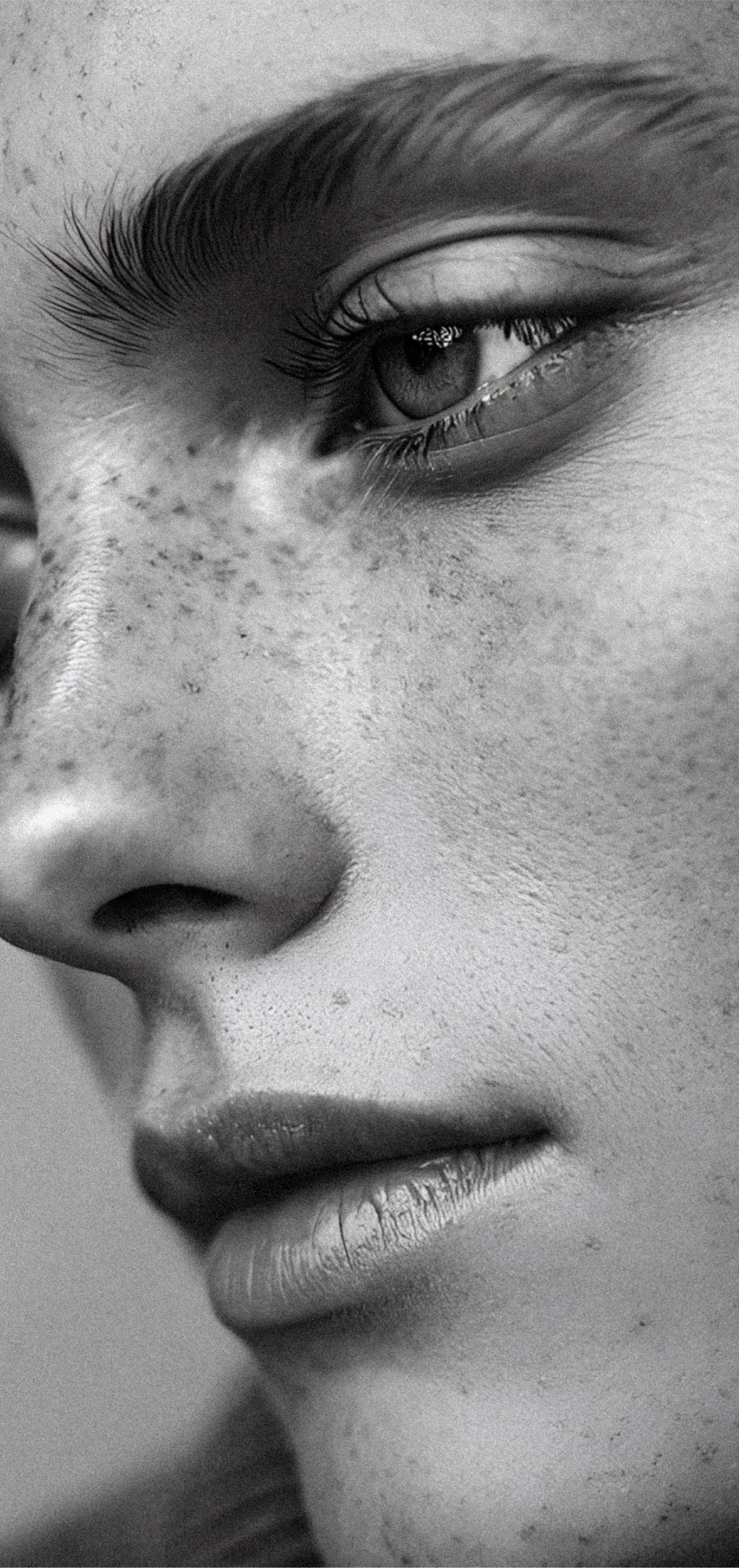
Close-up portrait
Close-up portrait of woman's face

WHAT PATIENTS NOTICE

What Patients Are Often Noticing

Changes in skin tone often happen gradually. You may become increasingly aware of redness, visible sun damage, brown spots, uneven pigmentation, or a complexion that appears less clear than it once did. Discoloration may also become more noticeable in photographs, natural light, or the way makeup sits on the skin.

During consultation, we explore what you are noticing and determine whether IPL—or another approach—may be appropriate.

  • Visible Sun Damage
  • Brown Spots or Age Spots
  • Uneven Pigmentation
  • Persistent Facial Redness or Flushing
  • Redness Associated With Rosacea
  • Broken Capillaries
  • Uneven Skin Tone
  • Freckles That Have Become More Noticeable
  • Skin That Appears Less Clear
  • Discoloration That Is More Noticeable in Photographs or Natural Light

Not every concern requires IPL treatment. The goal is to understand what may be contributing to the changes you are noticing and determine the most appropriate path forward.

TREATMENT FOCUS

What IPL May Address

IPL may be recommended when visible pigmentation, redness, or vascular discoloration begins to affect the overall clarity and evenness of the skin. Treatment is customized according to your skin, concerns, goals, and clinical assessment.


01Sun Damage
06Facial Redness
02Brown Spots
07Rosacea-Related Redness
03Age Spots
08Broken Capillaries
04Uneven Pigmentation
09Visible Vascular Changes
05Uneven Skin Tone
10Overall Skin Clarity

Because IPL targets both visible pigment and vascular discoloration, improvement may extend beyond one isolated concern.

YOUR EXPERIENCE

How IPL Targets Visible Discoloration

IPL uses carefully controlled pulses of broad-spectrum light that are absorbed by visible pigment and blood vessels beneath the skin's surface. The targeted discoloration gradually breaks down and becomes less visible over time, helping support a clearer and more even-looking complexion.

01

Pigmentation

IPL may help improve the appearance of brown spots, age spots, freckling, and visible sun damage.

02

Redness & Vascular Concerns

IPL may be considered for persistent facial redness, redness associated with rosacea, and visible broken capillaries.

03

Overall Skin Tone

Treatment may support a clearer and more even-looking complexion by reducing visible discoloration.

04

Personalized Treatment Planning

Recommendations are based on your skin, concerns, treatment history, sun exposure, and long-term goals—not a predetermined protocol.

Not all redness and pigmentation begin for the same reason. Understanding what may be contributing to the change helps determine whether IPL has a role.

COMMON QUESTIONS

Common Questions About IPL Treatment

Choosing whether IPL is right for you often begins with understanding how the treatment works, what results to expect, and how it fits into your long-term skin goals.

These are some of the questions patients ask most often when exploring IPL treatment.

IPL (Intense Pulsed Light) is a non-invasive light-based treatment used to improve pigmentation, sun damage, redness, broken capillaries, and uneven skin tone. It works by targeting visible discoloration beneath the skin's surface. IPL is also commonly known as an IPL photofacial.

IPL is often recommended for brown spots, age spots, sun damage, facial redness, rosacea-related redness, broken capillaries, and uneven pigmentation.

No. IPL uses broad-spectrum pulses of light rather than a single laser wavelength. This allows IPL to target multiple forms of visible discoloration within the skin.

Many patients benefit from a series of treatments depending on the severity of pigmentation, redness, and sun damage being addressed. Recommendations are individualized based on your goals and skin condition.

Yes. IPL is commonly used to improve visible sun damage, age spots, and uneven pigmentation caused by cumulative UV exposure.

IPL is often recommended for patients experiencing rosacea-related redness and visible vascular changes. Treatment may help reduce overall redness and improve skin tone.

Yes. IPL can target small visible blood vessels and broken capillaries, helping reduce their appearance over time.

IPL targets pigment within the skin, which means recent sun exposure or an active tan may increase the risk of unwanted side effects. For safety, treatment is often postponed until the tan has faded. During consultation, we evaluate your skin and determine whether IPL is appropriate or whether another treatment may be a better option.

Most patients experience mild redness and darkening of pigment immediately following treatment. These changes typically resolve over the days that follow as the skin naturally clears the targeted discoloration.

IPL is often used to improve pigmentation, sun damage, redness, and visible vascular changes, while Laser Genesis focuses on collagen support, texture, pores, and overall skin quality. In some cases, the two may be combined as part of a customized Laser Rejuvenation treatment plan.

Yes. Some patients benefit from a customized Laser Rejuvenation treatment plan that combines IPL and Laser Genesis to address both skin clarity and skin quality concerns simultaneously.

Yes. Following treatment, pigmentation often temporarily darkens before gradually flaking away or fading as the skin naturally clears the targeted pigment. This is a normal part of the treatment process and one of the signs that the pigment is responding to treatment.

Aesthetic Consultation

Every Recommendation Begins With Understanding.

Your consultation is a chance to discuss what you're noticing, what matters to you, and which aesthetic options—if any—may be appropriate. You do not need to choose a treatment before you arrive.

Book An Aesthetic Consultation
Woman in motion wearing a flowing dress